
5 Signs a Tree Needs Professional Attention in 2026
To determine if a tree needs professional attention, look for five key indicators: dead or hanging branches, a sudden or significant lean, deep cracks in the main trunk, visible root damage or fungal growth at the base, and branches encroaching on powerlines or rooftops. Addressing these signs early prevents storm-related property damage.
What are the warning signs of a dangerous tree?
Living in areas like Newcastle and Swansea means dealing with coastal winds and intense summer storms that can turn a seemingly sturdy tree into a major liability. Recognizing the warning signs of a dangerous tree is the first step in protecting your family and your home. Often, a tree doesn't just fall over without warning; it sends out subtle signals that its structural integrity is compromised. These signs range from physical changes in the bark to shifts in the soil around the base.
When a tree is healthy, it can flex and move with the wind. However, when internal decay or external damage occurs, that flexibility is lost. If you notice any unusual changes in your trees, it is time to consult an expert. At John’s Tree Lopping, we have seen how quickly a minor issue can escalate during a Newcastle gale. Early detection through a professional assessment can often save the tree through tree shaping or targeted pruning, rather than requiring a full tree removal . Being proactive rather than reactive is always the safer and more cost-effective choice for homeowners.
Identifying dead branches and crown dieback
One of the most obvious indicators that a tree needs professional attention is the presence of dead branches, also known as 'widow-makers.' These are limbs that have lost their leaves, have peeling bark, or appear brittle and grey compared to the rest of the tree. Crown dieback—where the top portion of the tree starts dying from the outside in—is a serious symptom of underlying health issues. In many cases, these branches can snap without warning, even on a calm day, but they are almost guaranteed to fall during high winds.
Dead wood is not just a falling hazard; it can also be a sign of disease or pest infestation that could spread to the rest of the tree or neighboring plants. If you spot dead limbs, especially those overhanging your driveway or house, it is vital to act quickly. Our team provides comprehensive tree & plant care to identify the cause of dieback. Removing these hazards through professional lopping ensures that the weight of the tree is balanced and that dangerous debris doesn't become a projectile during the next storm season.
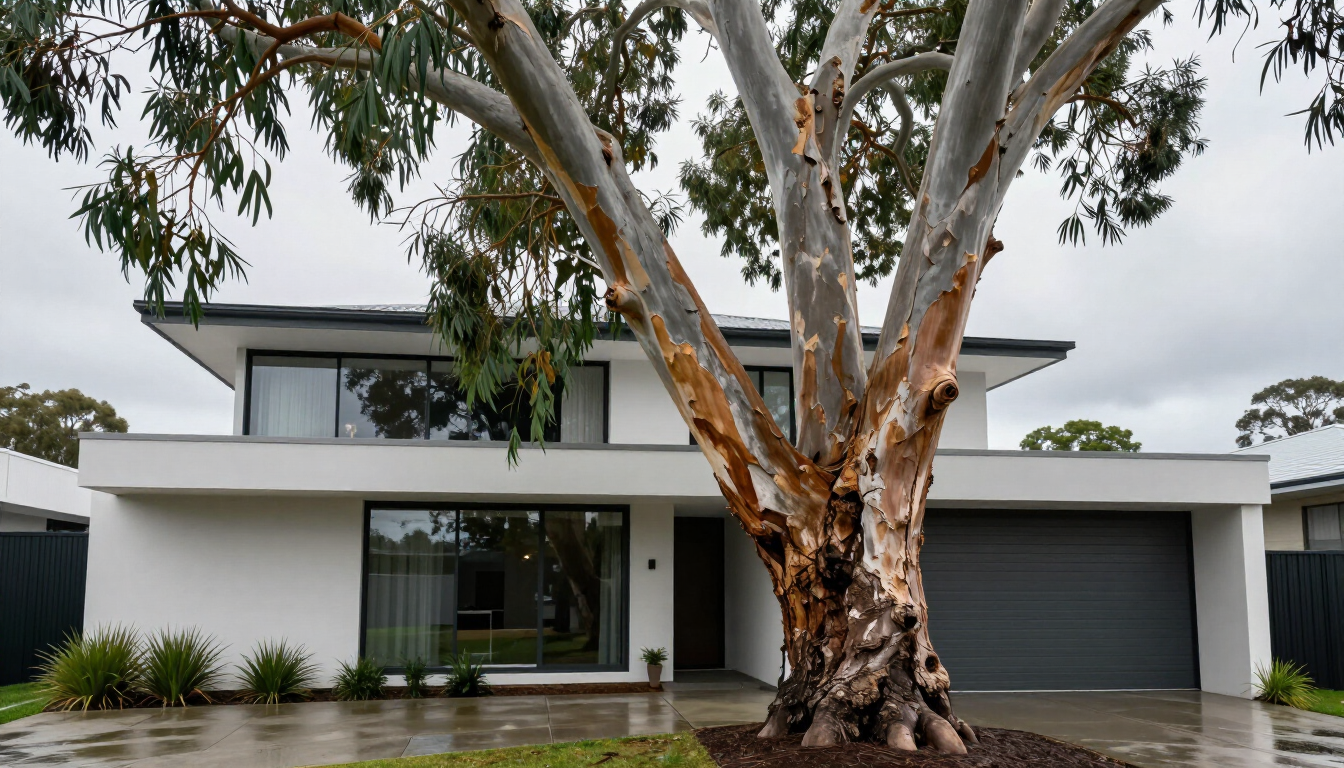
Why is a leaning tree a storm hazard?
While some trees naturally grow at a slight angle, a tree that has recently started to lean or shows a significant tilt is a major cause for concern. A sudden lean often indicates that the root system is failing or the soil has become unstable, particularly after heavy rains in the Lake Macquarie region. If you notice a mound of soil on the side opposite the lean, or visible gaps between the trunk and the earth, the tree is likely in the process of uprooting.
Leaning trees are incredibly unpredictable. During a storm, the wind acts like a sail against the canopy, putting immense pressure on the compromised roots. If the lean is directed toward your home, a powerline, or a public pathway, the risk level is extreme. Professional arborists can determine if the tree can be stabilized or if it requires urgent removal to prevent a disaster. Ignoring a leaning tree is a gamble that rarely pays off, as the structural physics of a heavy trunk and a saturated root ball are difficult to overcome once gravity takes hold.
Trunk cracks and structural instability
Deep cracks or 'v-shaped' splits in the trunk are structural red flags that should never be ignored. Unlike minor surface bark shedding, which is common in many Australian gums, deep fissures indicate that the tree's main support system is failing. These cracks often occur where two major stems join together. If these stems are not properly fused, they can easily pull apart under the weight of wet foliage or the force of a sudden gust of wind.
Other signs of instability include hollowed-out sections of the trunk or the presence of 'cankers,' which are areas of dead bark caused by fungi or bacteria. These weak spots significantly reduce the tree's ability to withstand external pressure. When we perform stump grinding or removals, we often see the internal decay that was hidden from view but started with a simple crack. If you can see light through a hole in the trunk or notice sawdust-like material (frass) at the base, your tree is likely hollow and poses a significant threat to your property during storm season.
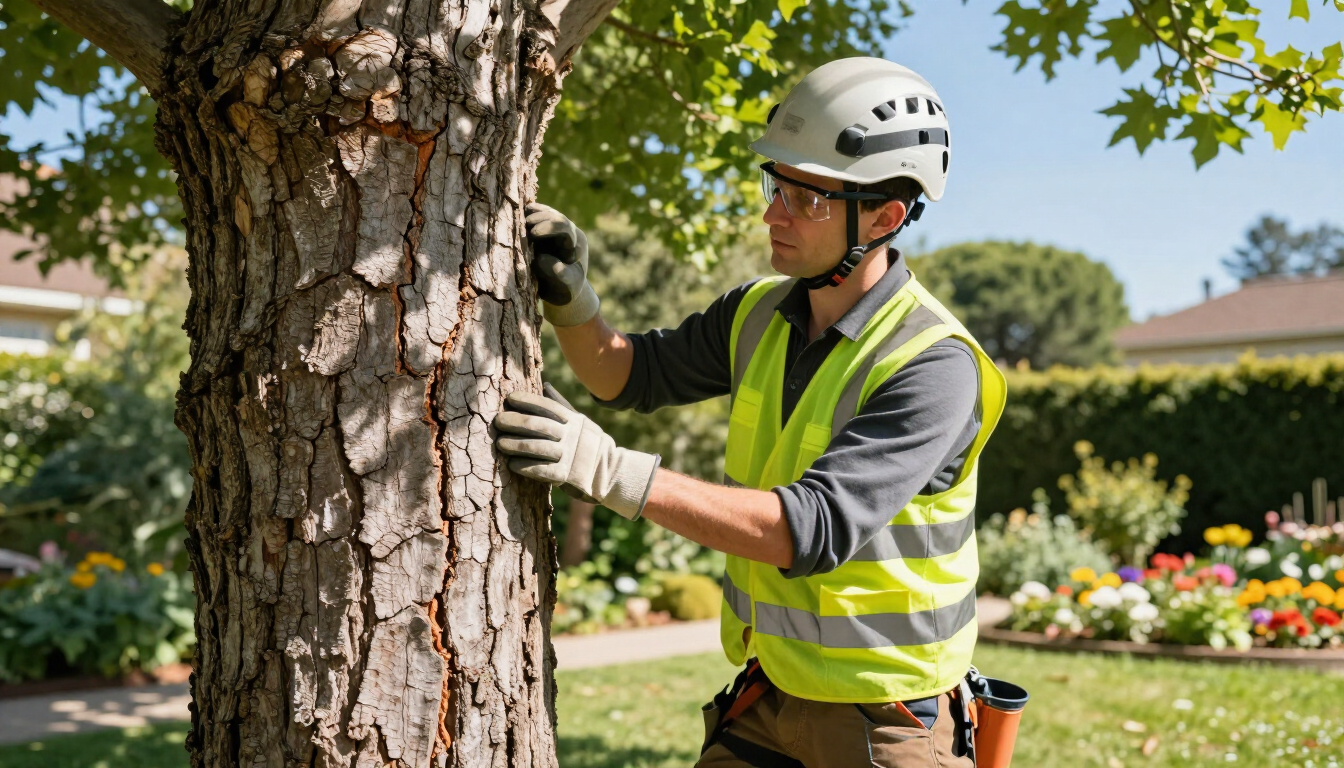
How does root damage affect tree safety?
Roots are the invisible anchors of your property's landscape, and when they are damaged, the entire tree becomes a liability. Root damage can be caused by construction, soil compaction, or even natural decay. One of the clearest signs that a tree needs professional attention is the growth of fungi, such as mushrooms or brackets, at the base of the trunk. This usually indicates internal root rot, which eats away at the wood that keeps the tree standing upright.
In suburban areas like Lambton or Belmont, root systems are often restricted by pavements, driveways, or underground pipes. When these roots are cut or smothered, the tree loses its ability to draw nutrients and, more importantly, its physical grip on the earth. If you have recently performed landscaping or excavation near a large tree and notice the canopy thinning or the tree tilting, the root system may be failing. A professional assessment can help determine the extent of the damage and whether the tree can be saved or if land clearing is necessary for safety.
Hazards of branches near powerlines or roofs
Trees don't have to be dying to be dangerous; sometimes, healthy trees in the wrong place are the biggest storm hazards. Branches that grow too close to powerlines can cause fires or widespread blackouts if they come into contact during a storm. Similarly, limbs overhanging your roof can cause significant damage to tiles, gutters, and solar panels. Even if the branch doesn't break, the constant rubbing against your house during windy nights can cause long-term structural wear.
Managing these hazards requires specialized skills. Working near powerlines is extremely dangerous and should only be handled by professionals who understand safety protocols and local regulations. Our services in Jewells and Caves Beach often involve clearing these specific encroachment issues to ensure residents stay powered and protected. Regular maintenance, such as professional pruning or palm removal , keeps your foliage at a safe distance from your home’s most vulnerable assets while maintaining the aesthetic appeal of your garden.
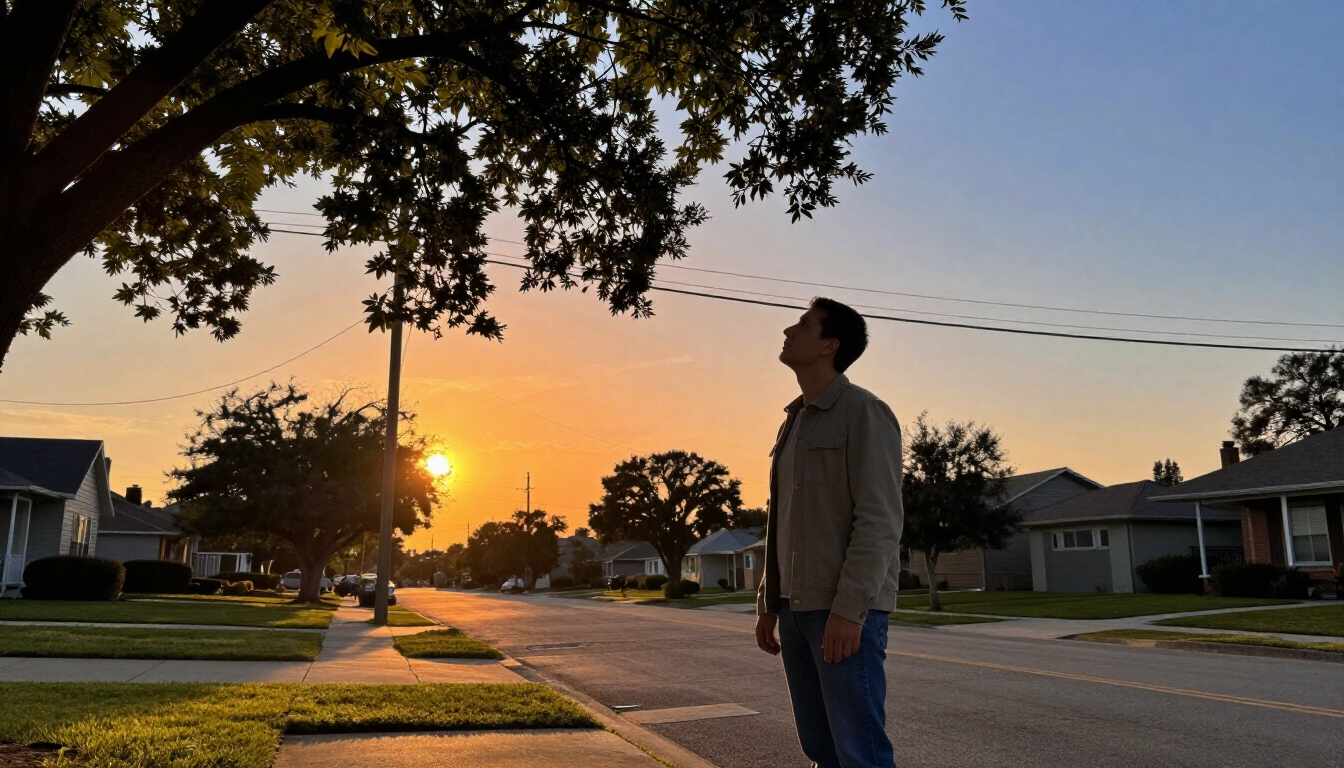
How to prepare your property for storm season?
Preparation is the key to minimizing storm damage. Waiting until the wind starts howling to worry about your trees is a recipe for stress. The best time to inspect your property is during the calmer months, allowing plenty of time for professional intervention. Start by walking around your yard and looking up into the canopy of every large tree. Check for the five signs mentioned earlier and consider the path a tree would take if it were to fall.
Professional maintenance, such as thinning out a dense canopy, can allow wind to pass through more easily, reducing the 'sail effect' and keeping the tree stable. Additionally, cleaning up debris and managing green waste ensures that your yard doesn't contribute to local flooding or fire hazards. If you are preparing for a property sale, a pre-sale garden cleanup can address these safety concerns while significantly boosting your home's curb appeal. Taking these steps now ensures that when the storm clouds roll in over Newcastle, you can rest easy knowing your home is secure.
Essential Pre-Storm Tree Safety Checklist
Use this simple checklist to evaluate your property's trees today:
- Check for dead, brown, or leaf-less branches in the upper canopy.
- Look for any new or increased leaning toward structures or fences.
- Inspect the trunk for deep cracks, holes, or peeling bark.
- Examine the ground for fungi, mushrooms, or heaving soil near roots.
- Verify if any branches are within two meters of powerlines or your roof.
If you check off even one of these items, your tree needs professional attention immediately. Do not attempt to climb or cut large branches yourself, as storm-damaged trees can be under extreme tension and behave unpredictably when cut.
Protecting Your Newcastle Property
Storm season in the Newcastle and Lake Macquarie region is a regular occurrence, but property damage doesn't have to be. By recognizing the signs that a tree needs professional attention—such as dead limbs, leaning trunks, and root decay—you can take action before the weather takes a turn for the worse. Professional tree care is an investment in your safety and the longevity of your landscape.
At John’s Tree Lopping, we bring over 25 years of local experience to every job, ensuring that your trees are handled with care and your property is left spotless. Whether you need a simple prune or an emergency removal, we provide free quotes and fast, reliable service. Don't wait for the first storm of the year to find out your trees are unsafe. Contact Us today to schedule a professional assessment and keep your home protected all year round.


